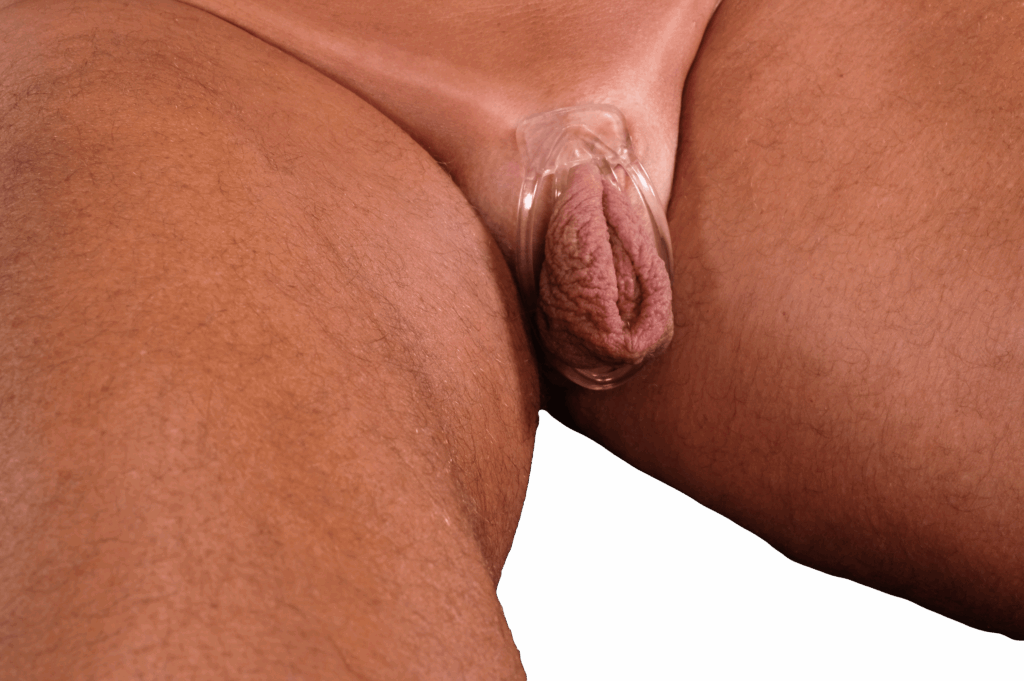
Using a “Fufu Clip,” Feminizer Clips, and MTF Transformation Designs
A detailed, practical guide to appearance, function, and styling
Introduction
In the world of gender expression and presentation, especially for those exploring male-to-female (MTF) aesthetics, there has been a steady evolution of tools designed to help create a smoother, more traditionally feminine silhouette. Among these tools are feminizer clips, often informally referred to as “fufu clips,” along with specialized garments and transformation-oriented designs.
These items are not medical devices or surgical solutions—they are appearance-enhancing tools that work externally to help create a flatter front profile, a contoured look, or the illusion of a vulva shape under clothing or swimwear. They are commonly used by:
- Pre-op or non-op transgender women
- Gender-fluid or nonbinary individuals
- Crossdressers and performers
- Anyone exploring a more feminine presentation
This article breaks down how these clips work, how to use them safely, and how they integrate with broader MTF transformation design concepts.
1. What Is a “Fufu Clip” or Feminizer Clip?
A feminizer clip is a small device designed to reposition and hold the genitals in a way that reduces projection and can create a flatter or shaped front appearance.
Core Functions:
- Compresses and redirects anatomy inward or downward
- Reduces visible bulge under tight clothing
- Helps form a defined frontal contour, sometimes resembling a camel toe effect
- Works without full tucking in some designs
Types of Clips:
- Basic Compression Clips
- Focus on flattening
- Minimal shaping effect
- Shaping Clips (“Fufu Clips”)
- Designed to create a centerline definition
- Mimic the visual appearance of a vulva through contouring
- Integrated Clip Systems
- Built into panties, thongs, or swimwear
- Combine compression + fabric shaping
2. How Feminizer Clips Work
The mechanism is relatively simple but requires proper positioning.
The General Principle:
- The anatomy is guided into a more compact position
- The clip applies gentle pressure to maintain placement
- Fabric (panties or swimwear) enhances the final look
Step-by-Step Basic Use:
- Preparation
- Clean and dry the area
- Trim hair if needed for comfort and hygiene
- Positioning
- Gently guide the genitals downward and back
- Some users combine with partial tucking (without tape)
- Applying the Clip
- Place the clip so it holds everything in position
- Ensure pressure is firm but not painful
- Layering Garments
- Wear tight panties, shapewear, or swimwear over the clip
- The garment helps smooth and define the final appearance
3. Safety and Comfort Considerations
Because clips apply pressure, safe usage is critical.
Key Guidelines:
- Never use excessive force
- Limit wear time (especially at first)
- Remove immediately if you feel:
- Pain
- Numbness
- Tingling
Best Practices:
- Start with short wear periods (30–60 minutes)
- Gradually increase duration as comfort allows
- Avoid sleeping while wearing clips
- Maintain hygiene (clean both skin and device regularly)
4. Feminizer Clips vs Traditional Tucking
Feminizer clips offer an alternative to more traditional tucking methods.
Traditional Tucking:
- Often involves repositioning testicles into the inguinal canals
- Uses tight garments or tape
- Can require more practice and precision
Clip-Based Approach:
- Less technical
- No adhesive required
- Faster to apply and remove
Trade-Offs:
- Clips may not achieve the same ultra-flat result as full tucking
- However, they are often:
- More comfortable
- More beginner-friendly
- Easier for everyday use
5. Integration with MTF Transformation Designs
Clips are most effective when combined with purpose-built clothing and design elements.
A. Specialized Panties and Shapewear
- Reinforced front panels
- Stretch compression fabrics
- Seam placement that enhances a central contour
B. Swimwear Designs
- High-compression spandex
- Narrow front panels for shaping
- Built-in support zones
C. “Gender-Canceling” Designs
- Neutralize masculine contours
- Focus on smoothness rather than overt shaping
D. Camel Toe Illusion Designs
- Use structure + clip positioning
- Create a defined, feminine front profile
- Often seen in advanced transformation garments
6. The Role of Fabric and Construction
The clip itself is only part of the equation. The fabric and cut of the garment determine how effective the result looks.
Ideal Materials:
- High-elasticity spandex blends
- Polyamide/elastane fabrics
- Double-layer compression zones
Key Design Features:
- Front panel tension: Keeps everything flat
- Seam placement: Creates visual lines that mimic anatomy
- Minimal bulk: Avoids added volume
7. Styling and Presentation Tips
To maximize results, consider the full presentation—not just the clip.
Clothing Choices:
- High-cut panties or bikini styles
- Leggings or tight shorts
- Swimwear designed for compression
Visual Enhancements:
- Smooth lines without wrinkles
- Balanced proportions (hips, waist, thighs)
- Proper sizing—too tight can distort, too loose reduces effect
8. Psychological and Identity Aspects
For many users, feminizer clips are not just physical tools—they support identity expression and confidence.
They can help:
- Reduce dysphoria related to front anatomy
- Enable more freedom in clothing choices
- Provide a sense of alignment between appearance and identity
For others, they are simply:
- Aesthetic tools
- Fashion enhancers
- Part of performance or personal exploration
9. Limitations and Expectations
It’s important to have realistic expectations.
What Clips Can Do:
- Improve smoothness
- Reduce projection
- Create shaping illusions
What They Cannot Do:
- Permanently change anatomy
- Replace surgical results
- Guarantee identical results for all body types
Conclusion
Feminizer clips—often referred to as “fufu clips”—represent an innovative and accessible option in the broader landscape of MTF transformation tools. When used correctly, they offer a practical balance between comfort, convenience, and visual transformation.
Their effectiveness comes not just from the clip itself, but from how they are combined with well-designed garments, thoughtful styling, and safe usage practices. Whether used for daily wear, special occasions, or exploration of identity, they provide a flexible pathway toward achieving a more feminine silhouette without permanent modification.